


I think a lot of people fail to understand the depth of tradition behind practices like villain hitting in Hong Kong. It’s easy to dismiss them as superstition, but for those of us who have spent years immersed in Taoist philosophy, these rituals are more than just folk customs. They’re living expressions of a deeper spiritual principle: the restoration of balance.
When I first encountered the concept of 打小人 (villain hitting), I was struck by how it reflects the Taoist belief that the flow of Yin and Yang through every aspect of our lives, including the evolution of personal and work relationship. The practice of villain hitting involves symbolically “hitting” a paper effigy of a person who has wronged you, often accompanied by chants and the burning of the effigy. It’s not only about revenge. It’s about releasing the negative energy that a toxic person has introduced into your life. In Taoism, we believe that stagnant or harmful energy can disrupt the natural flow of qi, and rituals like this are a way to clear that blockage.
But villain hitting isn’t the only way to address such imbalances. Taoist temples in Hong Kong, like Wong Tai Sin, offer other methods to neutralize the influence of a harmful individual. One common practice is writing the person’s name on a piece of paper and placing it under a statue of a deity, such as Wong Tai Sin or Guan Yu, asking for divine intervention to restore justice. Others might use 符 fu talismans inscribed with protective characters, to ward off negative energy. These methods are rooted in the idea that the universe has its own way of correcting imbalances. If you are in tune with the Tao, justice will eventually prevail without the need for direct confrontation.
The most Taoist approach is effortless (Wu Wei) . The Tao Te Ching teaches that the universe naturally corrects itself. A bad boss may seem untouchable, but their actions will eventually lead to their own downfall. The Tao does not strive, yet it always overcomes. Sometimes, the most powerful response is to step back, cultivate your own virtue, and let the natural order take its course.
However, life is short, and sometimes it does not hurt to give spiritual hints on how to find correct balance. I employ villain hitting, talismans, temple visits, and rituals at my own personal home shrines to this effect. Taoist and Buddhist forms of meditation help me maintain correct thought and emotional regulation when dealing with a difficult situation or person. But the most important principle I hold to is Wu Wei—effortless action. Do not let these people drain your energy. Under certain circumstances, villain hitting techniques help nudge the universe toward rebalancing itself in harmony to prevent other’s actions, malice and incompetence from harming you and others around them.
Often a misguided person’s actions will bring about their own downfall without the need for intervention. Other times, it’s ok to ask for help from powerful forces, if it is for the eventual benefit of the bad person and everyone affected by them.
Here is a recent example of villain hitting I requested that took place under the Canal Road flyover between Causeway Bay and Wan Chai.
To ask for villain hitting, you may find experienced villain hitters here:
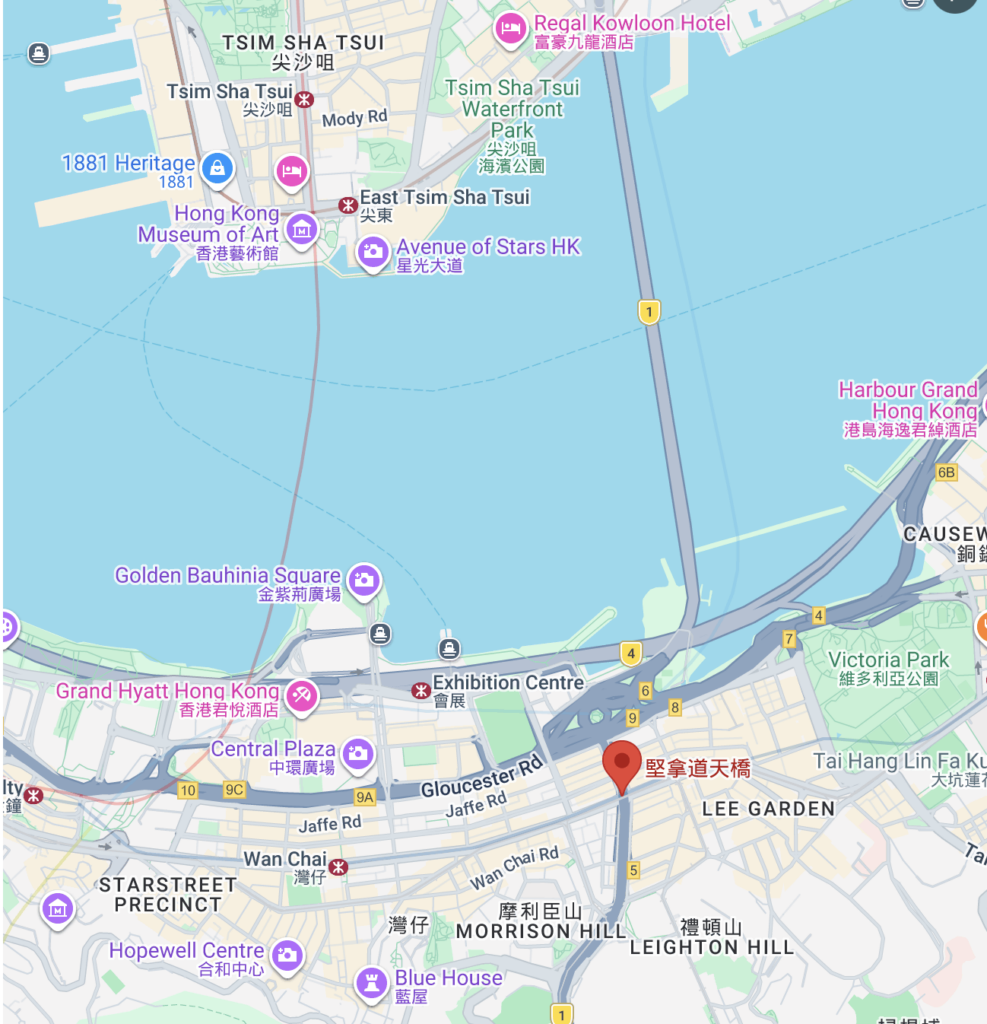
Alternately, you can order villain hitting online.