
My Story: Tai Chi, Taoism, and the Legacy of Master Moy Lin Shin
I think a lot of people fail to understand the depth of connection that can form between a person and a spiritual practice and the places that anchor those practices in our lives. For me, that connection began in Vancouver, where I spent my weekends volunteering at the Western Wilderness Committee and practicing Tai Chi at the Taoist Tai Chi Society’s studio in Vancouver’s Gastown. I was drawn to the discipline, the way it demanded both physical precision and mental stillness. It wasn’t just exercise; it was a way of understanding one’s mind, one’s body and their connection to the world.
Years later, as an adult, I traveled to Hong Kong and visited the Wong Tai Sin Temple, where I had a deeply personal experience that profoundly changed my career and financial situation for decades and that left a lasting impact on my understanding of the powerful connection between the physical and spiritual worlds.
The Story of Master Moy Lin Shin and the Societies He Built
Most people assume that spiritual organizations like the Taoist Tai Chi Society exist solely to teach a practice. But the reality is more nuanced. Master Moy Lin Shin didn’t just teach Tai Chi, he built a bridge between East and West and opened the deep spiritual practices of Taoism to the western world.
Master Moy moved from Hong Kong to Toronto in the 1960s and began teaching in a remote farmhouse in Mono, a few hours north of the city. That farmhouse was the seed for something much larger. He founded the Taoist Tai Chi Society of Canada and the Fung Loy Kok Institute of Taoism, organizations dedicated to spreading Taoist philosophy and Tai Chi practice to a Western audience. The society now spans over 100 countries, with millions of practitioners learning the same forms he taught until his death.
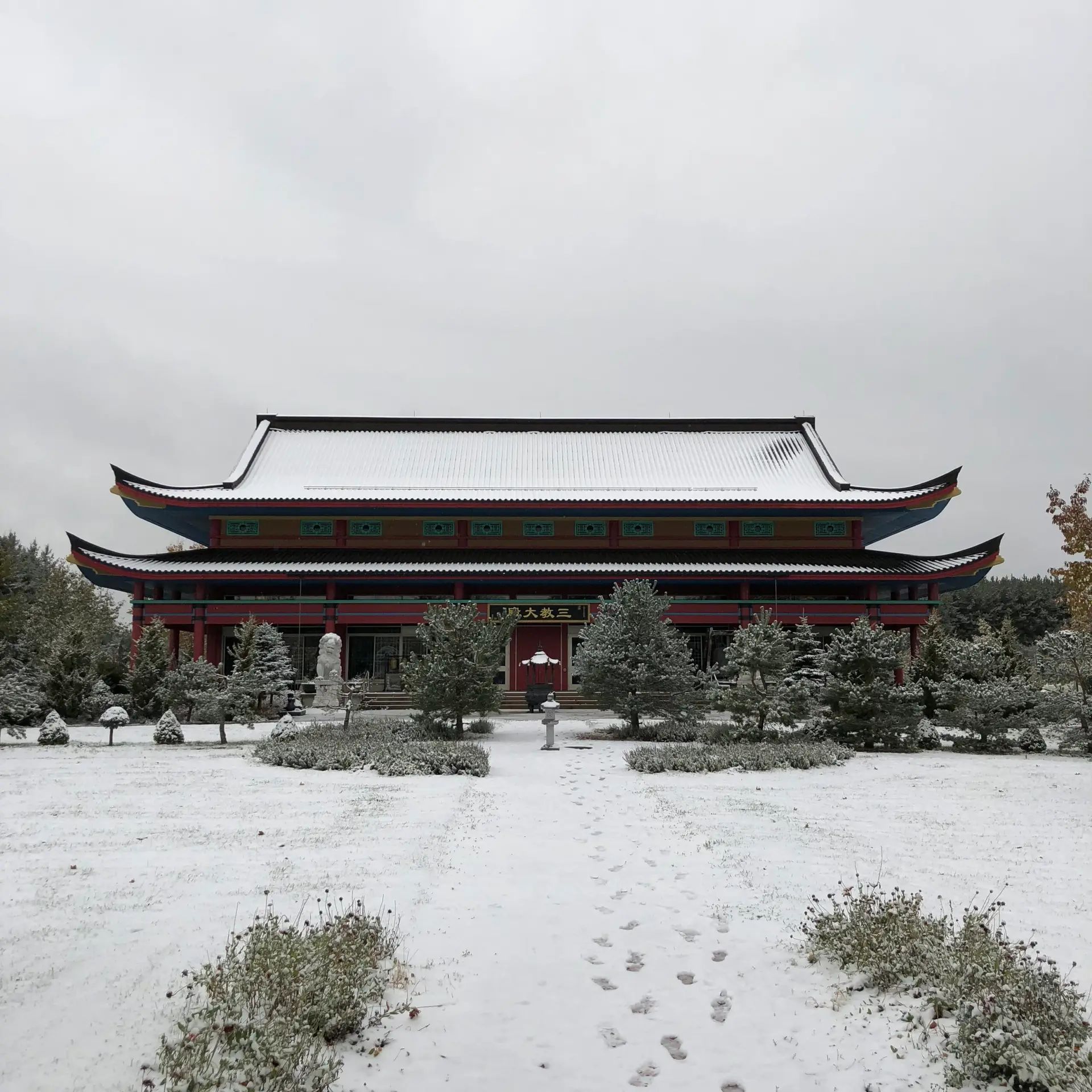
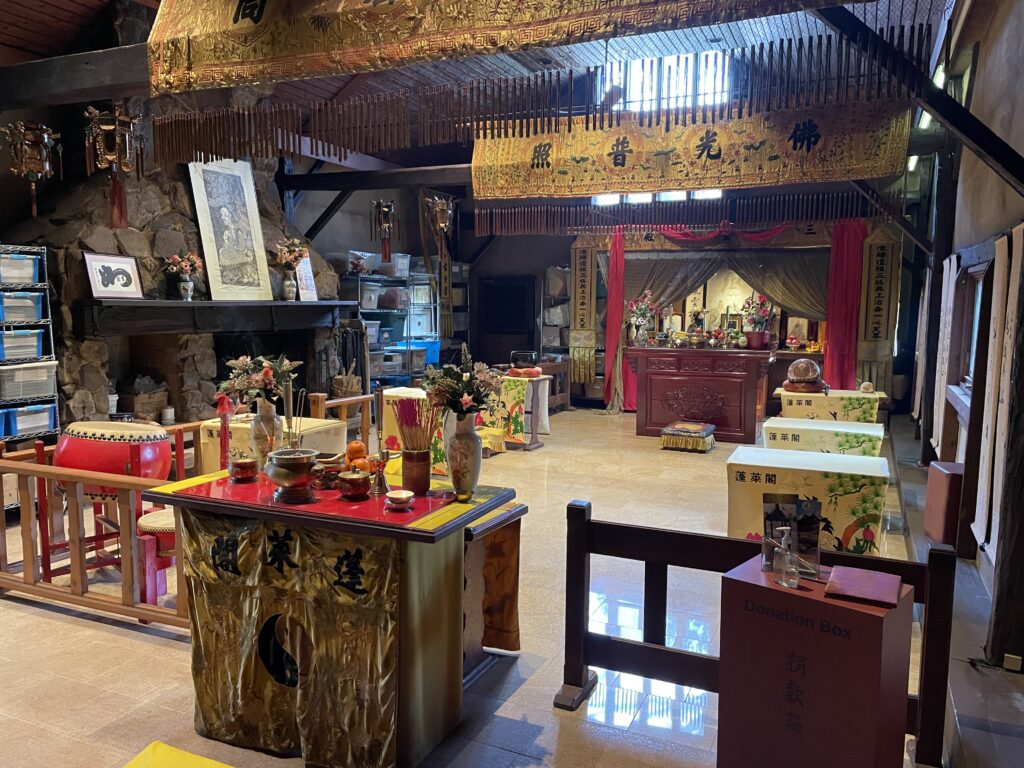
The temple in Mono, modeled after the Yuen Yuen Temple in Hong Kong, is a testament to his vision. It’s not just a place of worship; it’s a space where multiple religious traditions—Confucianism, Buddhism, and Taoism—coexist. This inclusivity was central to Master Moy’s mission: to make Eastern spirituality accessible and relevant to people regardless of their background.
Visiting the Temple Today: What You’ll Find in Mono
If you visit the Mono temple today, the first thing you’ll notice is how unassuming it is. You drive in, sign the guest book in the small house on the left, and, if you choose, leave a donation. The original farmhouse where Master Moy practiced is still there, though it’s easy to overlook among the newer buildings—the practice halls, banquet halls, and dormitories that now dot the grounds.
Most of these facilities are closed to the public except during major Chinese festivals or workshops for instructors from around the world. But the temple itself is always open. It’s a space designed in the style of the Yuen Yuen Temple in Hong Kong, honoring deities from multiple traditions. Along with a newer temple on Shepherd Avenue in Toronto, it remains one of only two temples dedicated to Wong Tai Sin outside of Hong Kong and mainland China.
For me, the Mono temple is more than just a place. It’s the geographical and spiritual center of my connection to Taoism. Whether I was always conscious of it or not, it’s been a constant in my life—a reminder of the practice, the philosophy, and the man who made it all possible.
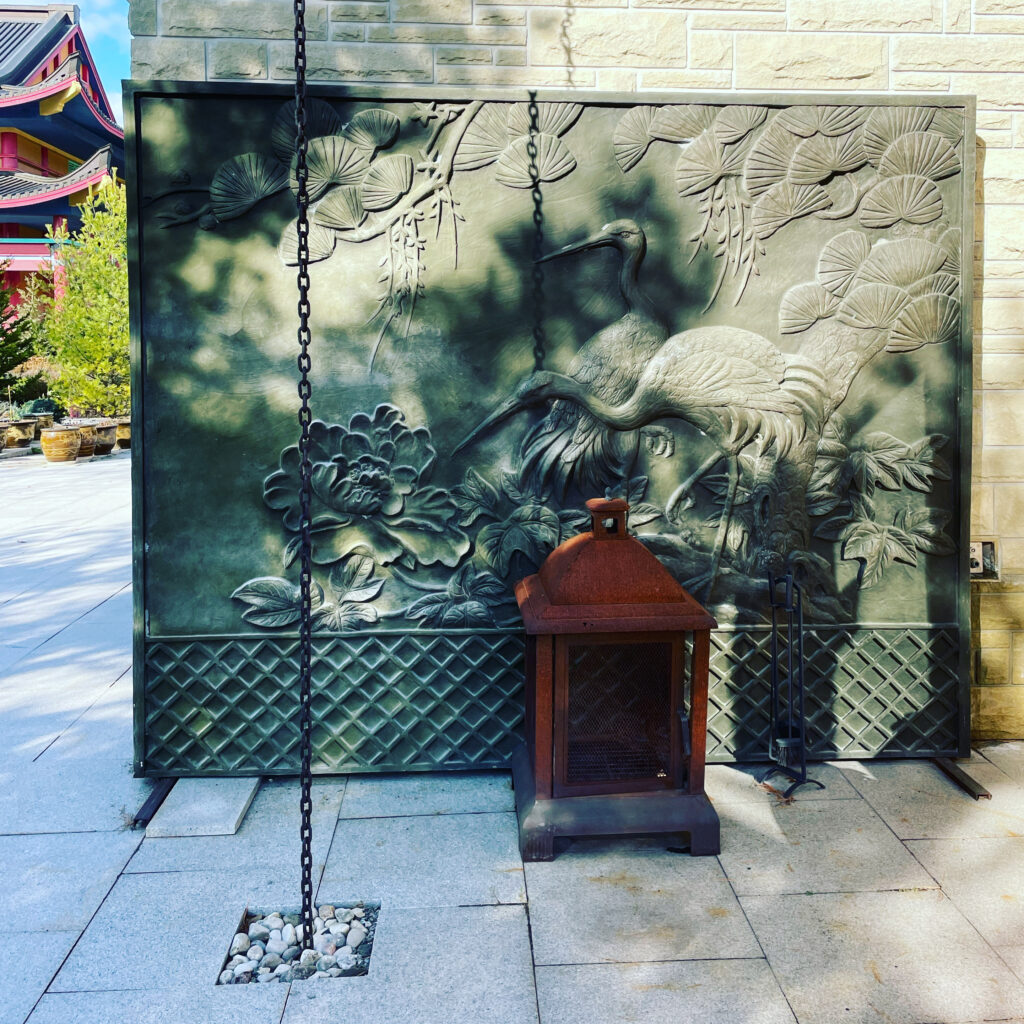
Various smaller temples and beautiful spots around the site
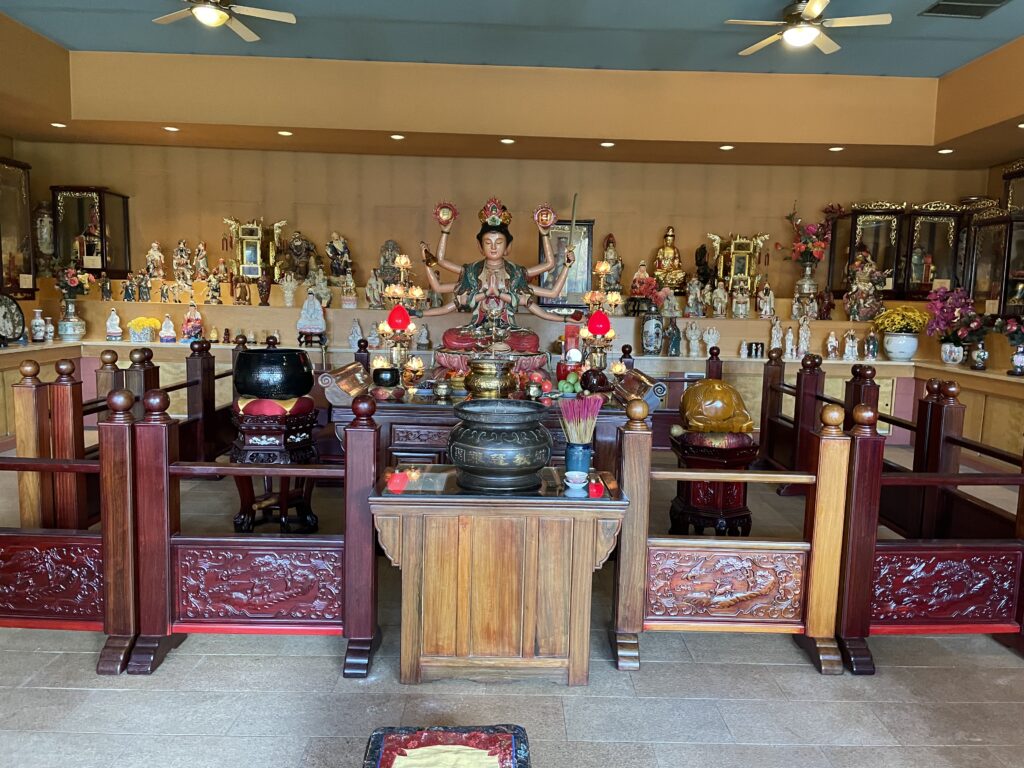
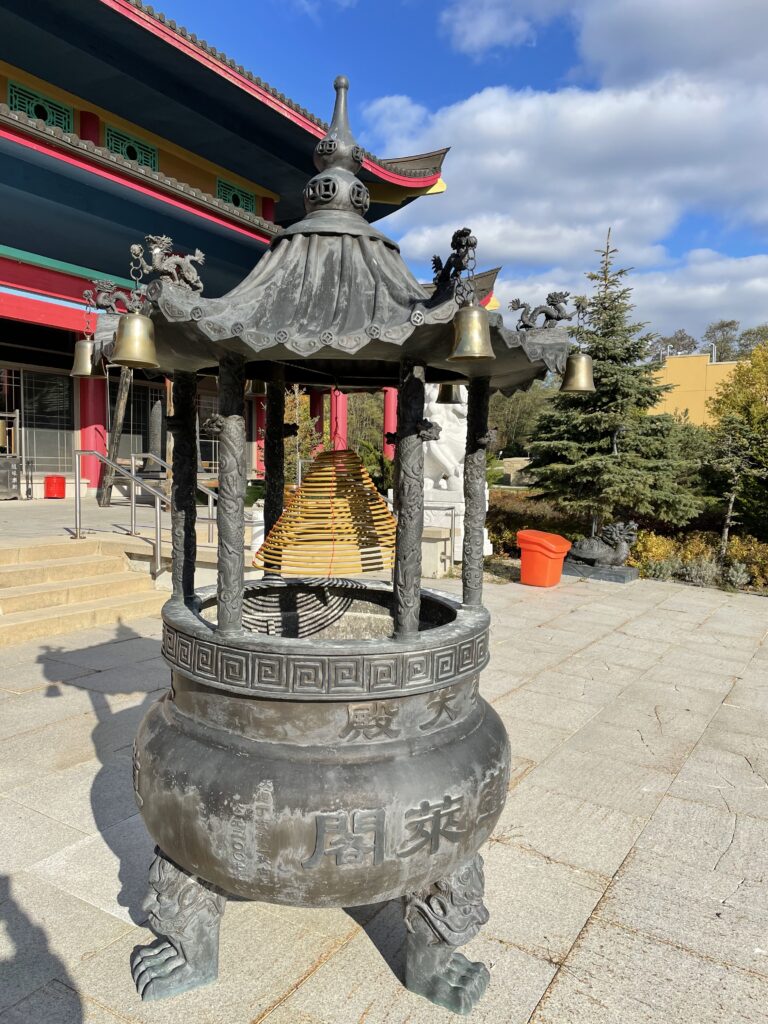
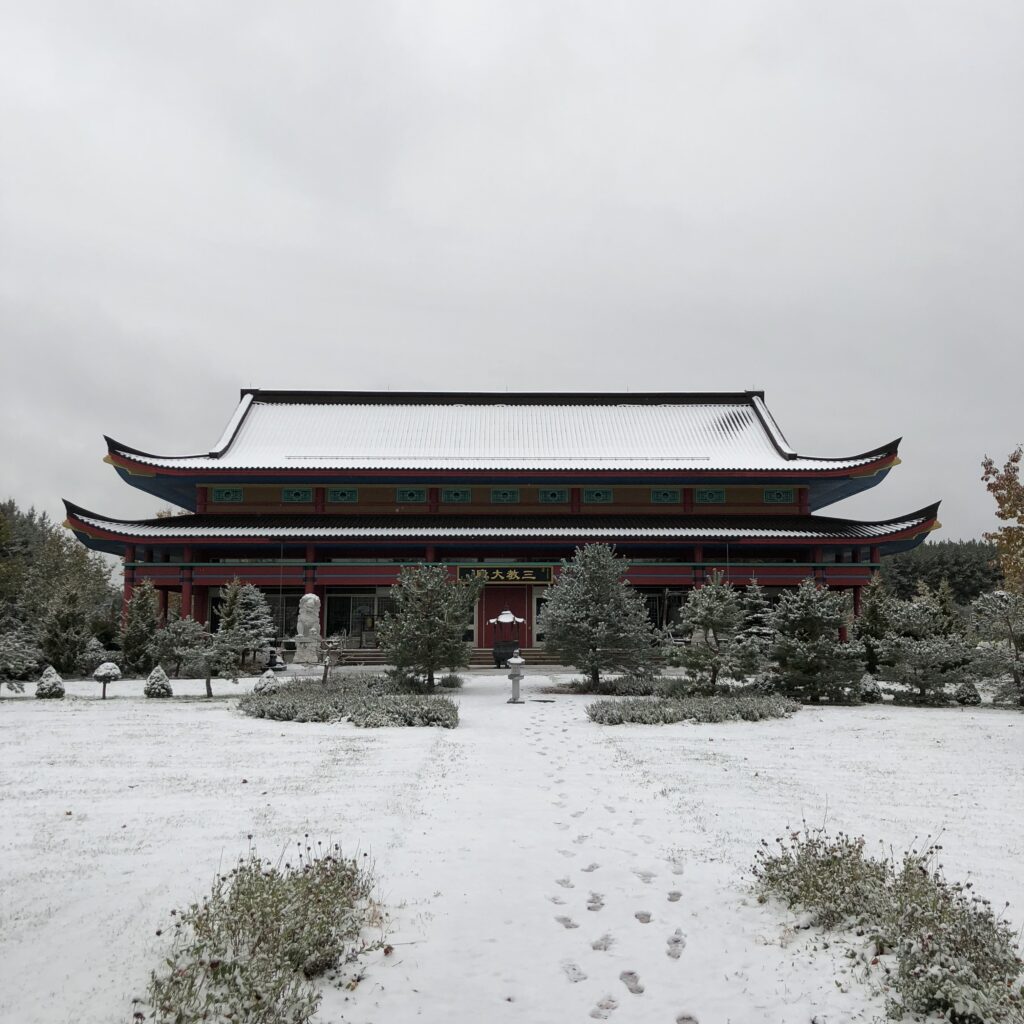
The main Three Religions Temple
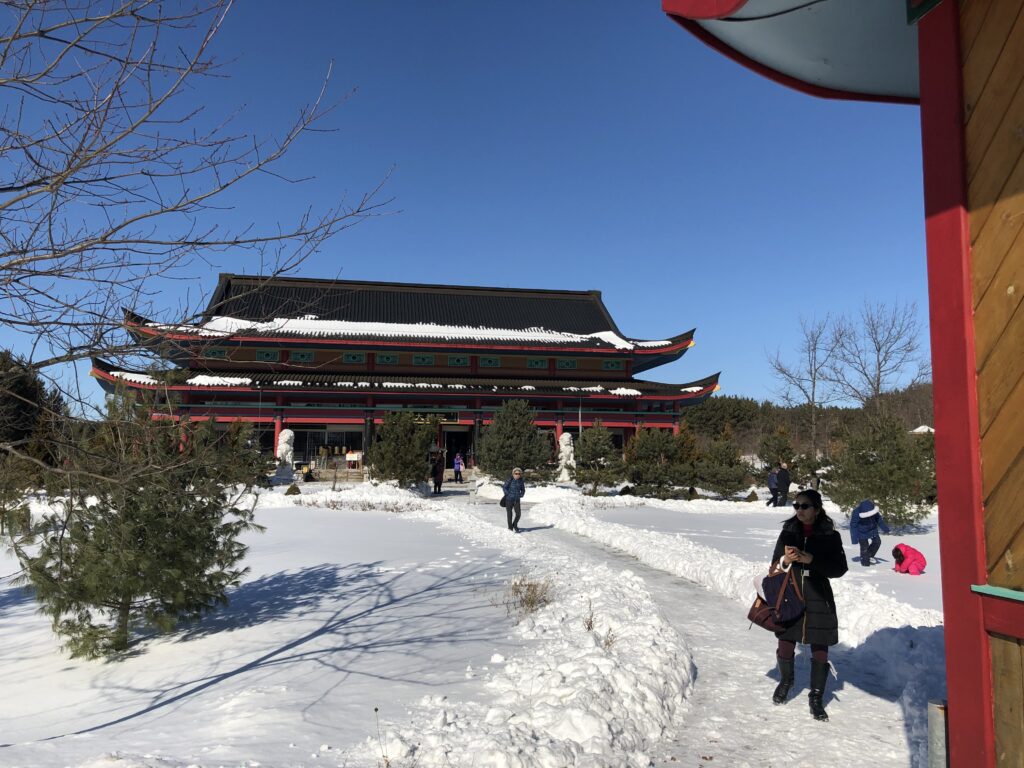
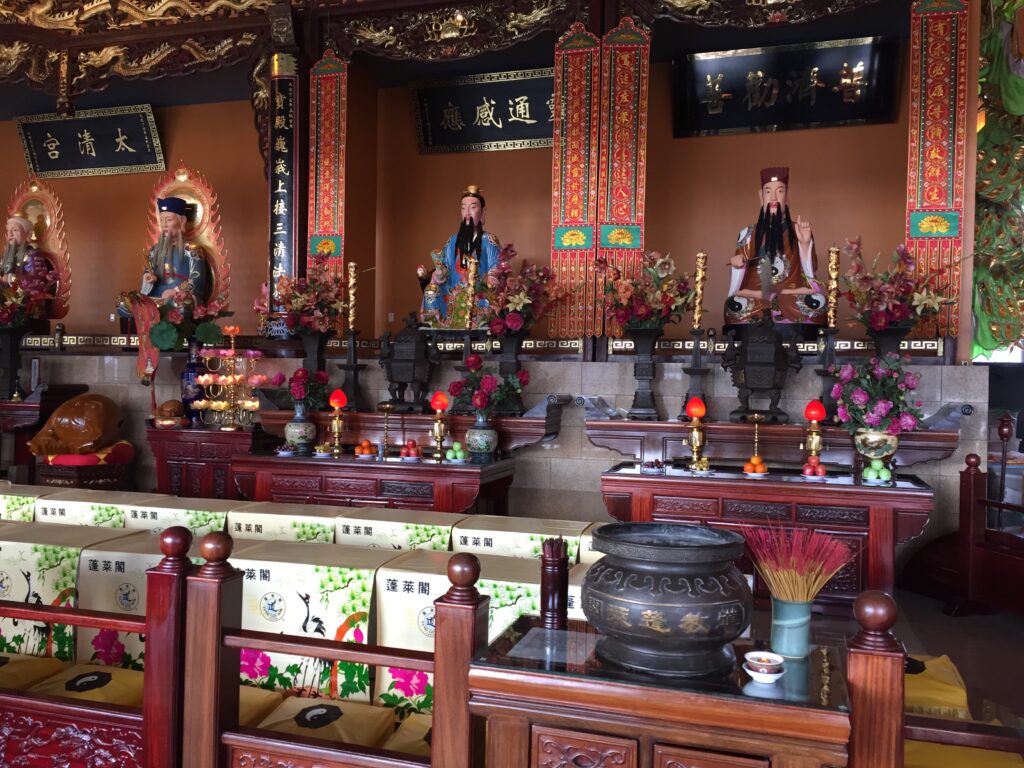
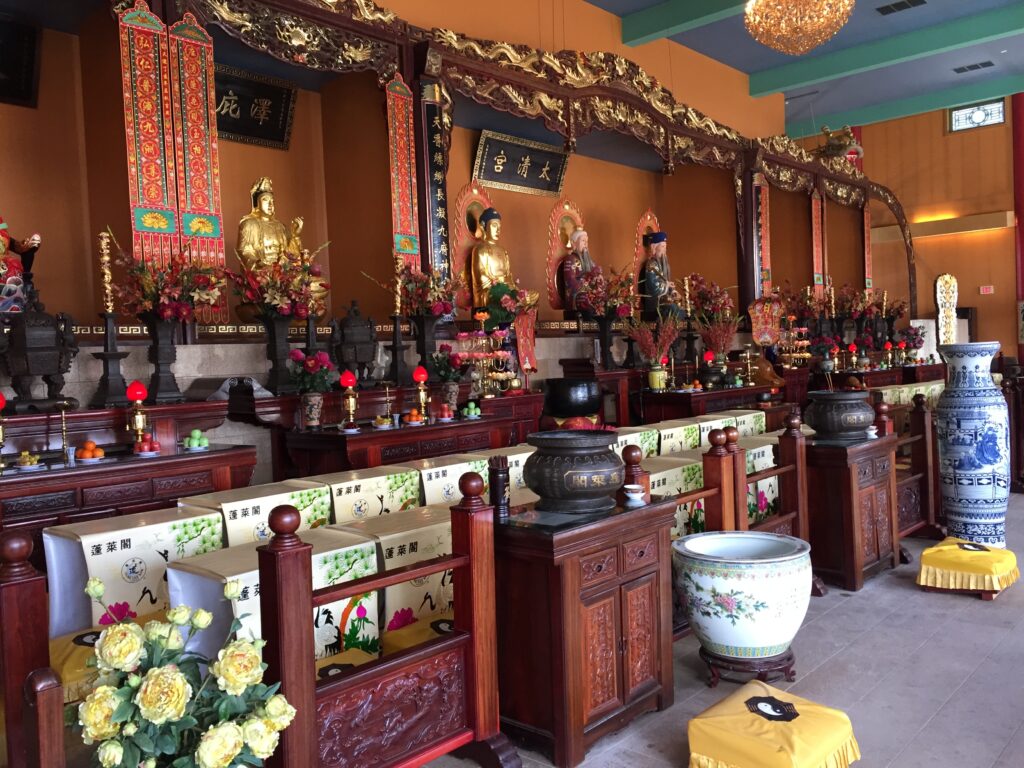
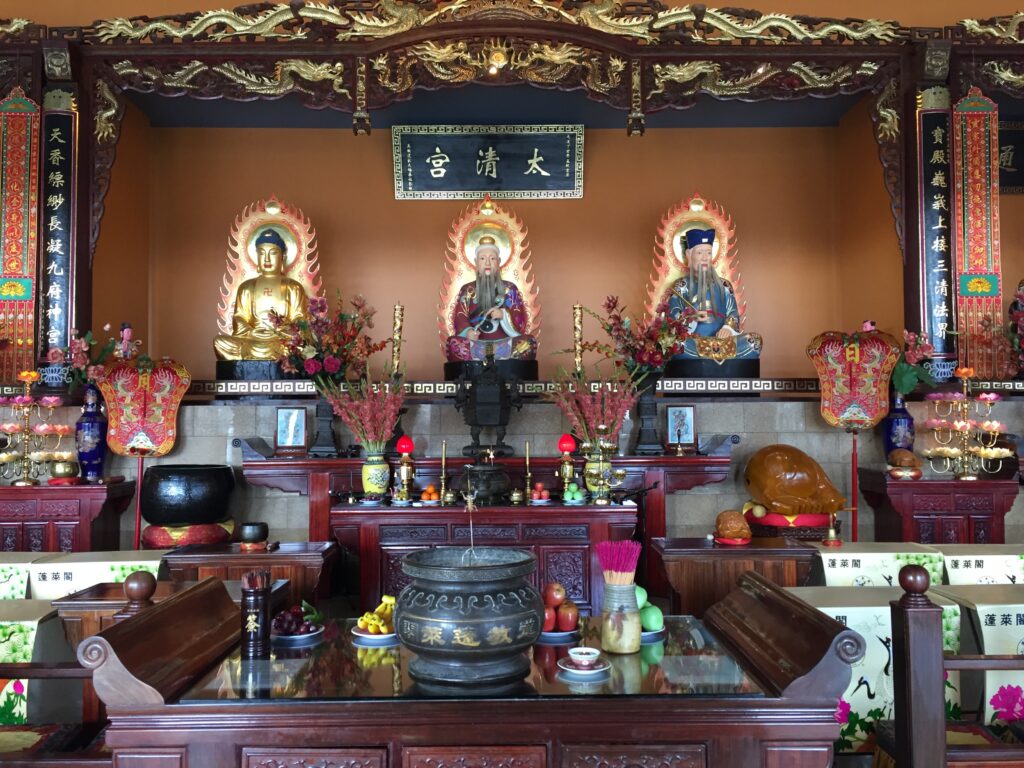
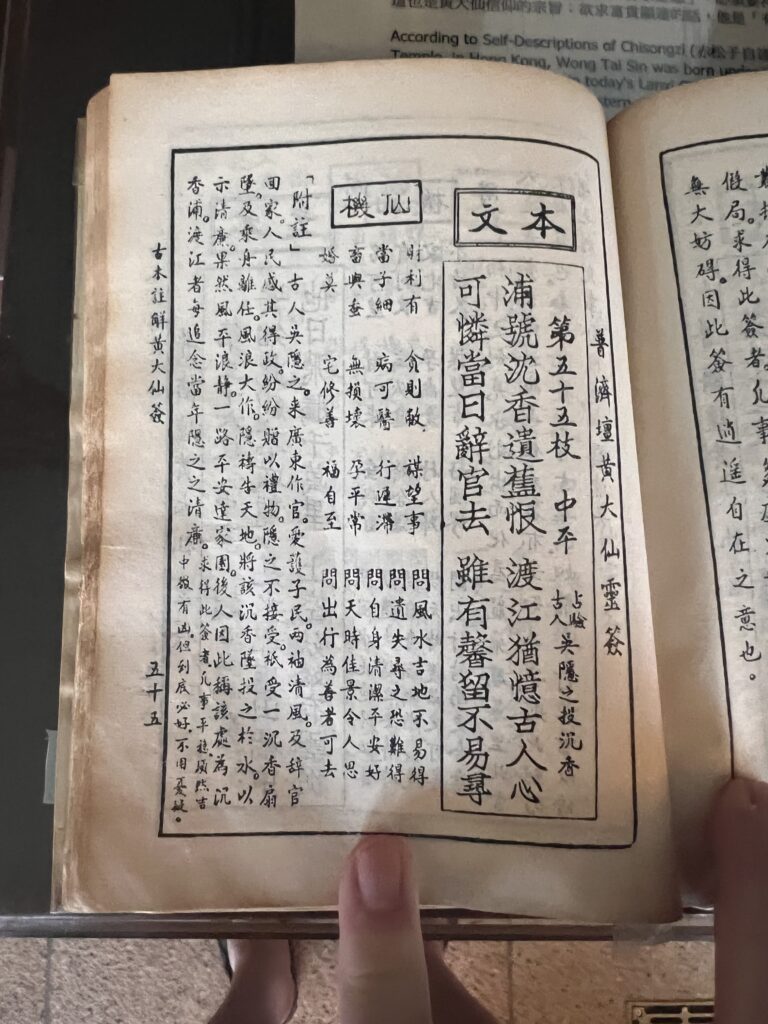
On certain days of the year many people travel up to Mono from Toronto to make offerings and get their fortunes answered
On festival days, the centre brings Taoist and Tai Chi Practitioners from all backgrounds together to share a vegetarian meal
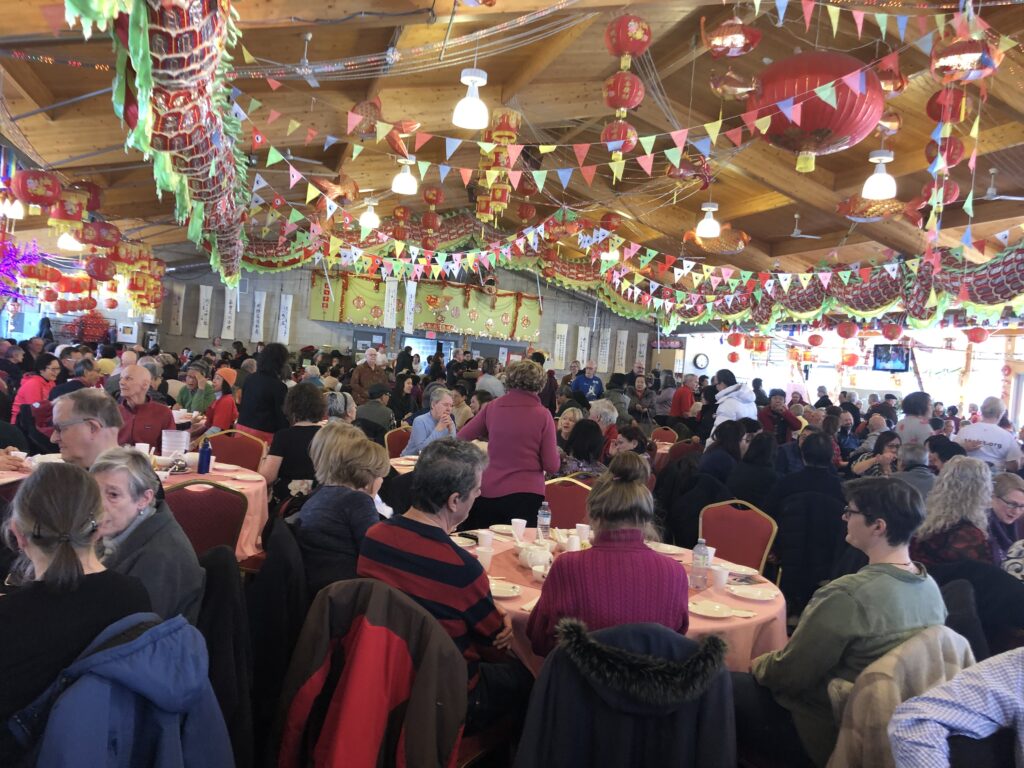
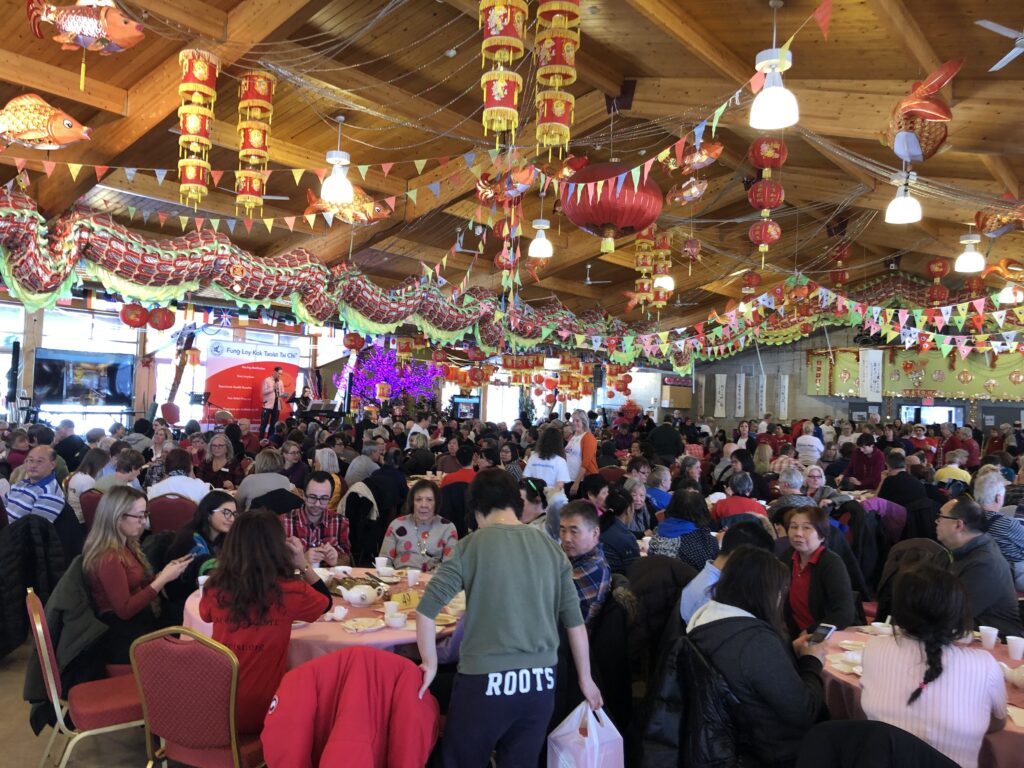
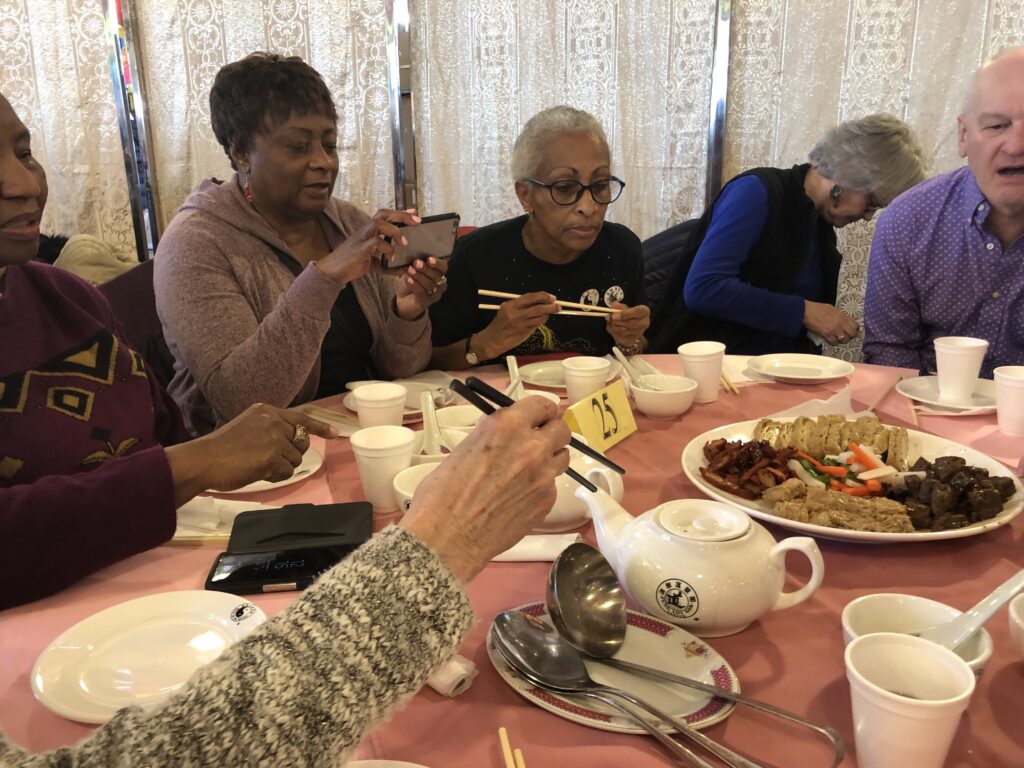
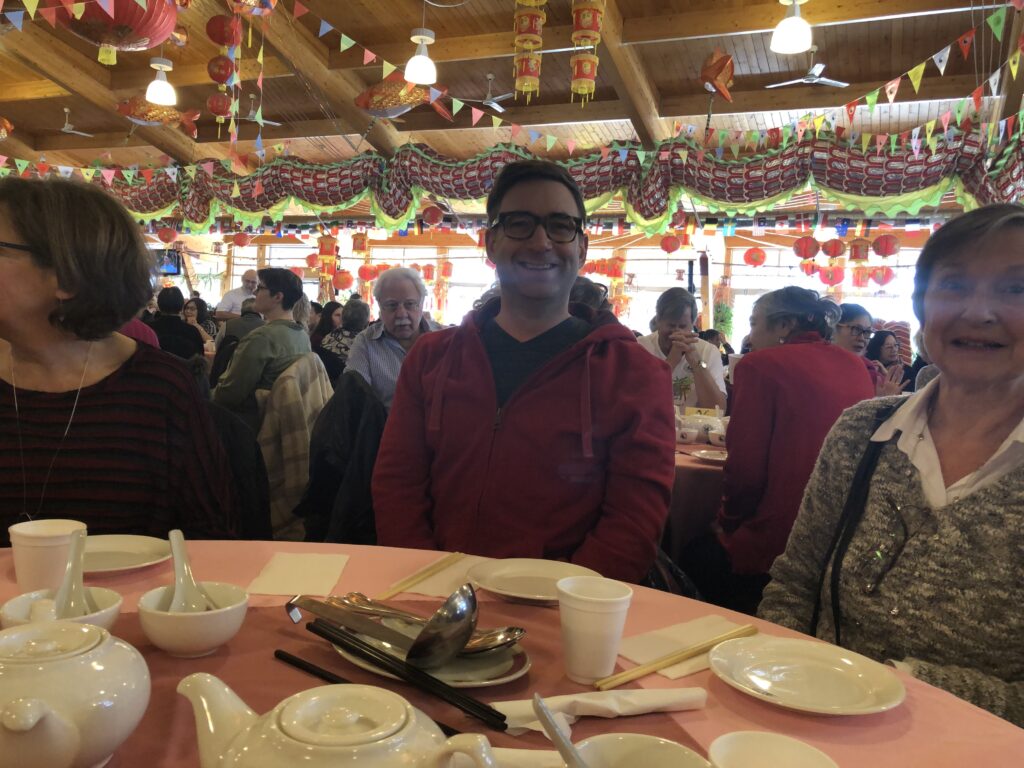
People from all backgrounds are welcome to deepen their understanding of Taoist philosophy. In this way, Master Moy’s legacy to unite East and West lives on.
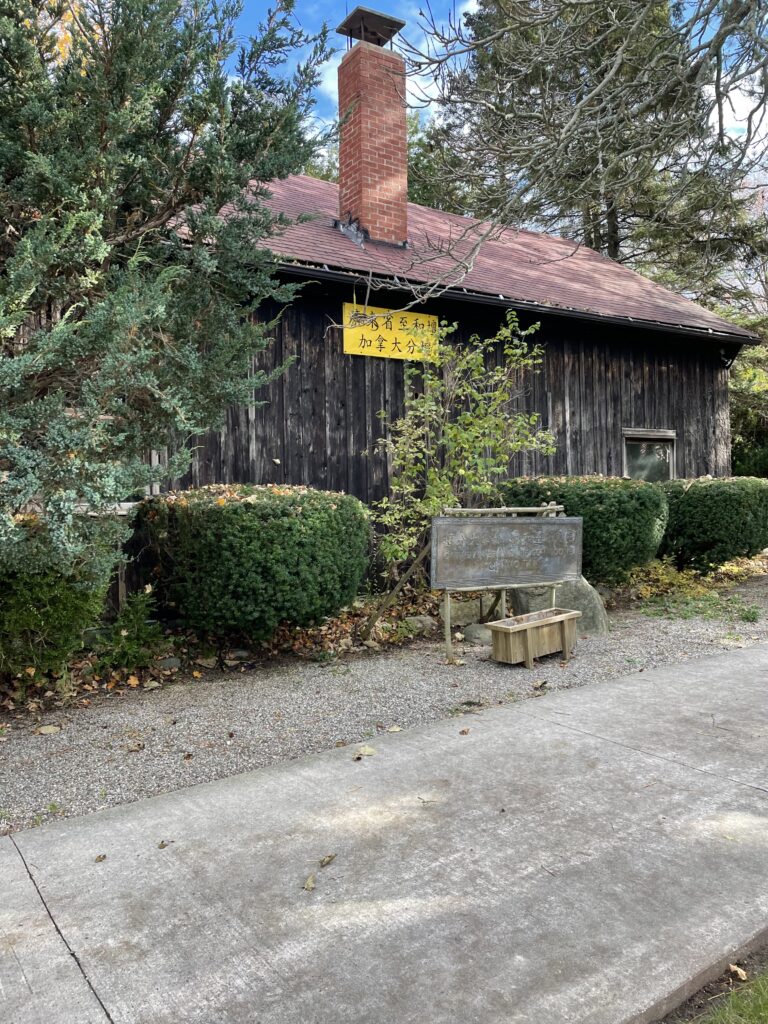
The farmhouse where everything started in the 1950s is well hidden but it is a deeply spiritual place.
Please be respectful if entering this building.
Location
248305 Side Rd 5, Mono, ON L9W 6L2, Canada